The Legend of Zelda: A Timeless Gaming Legacy
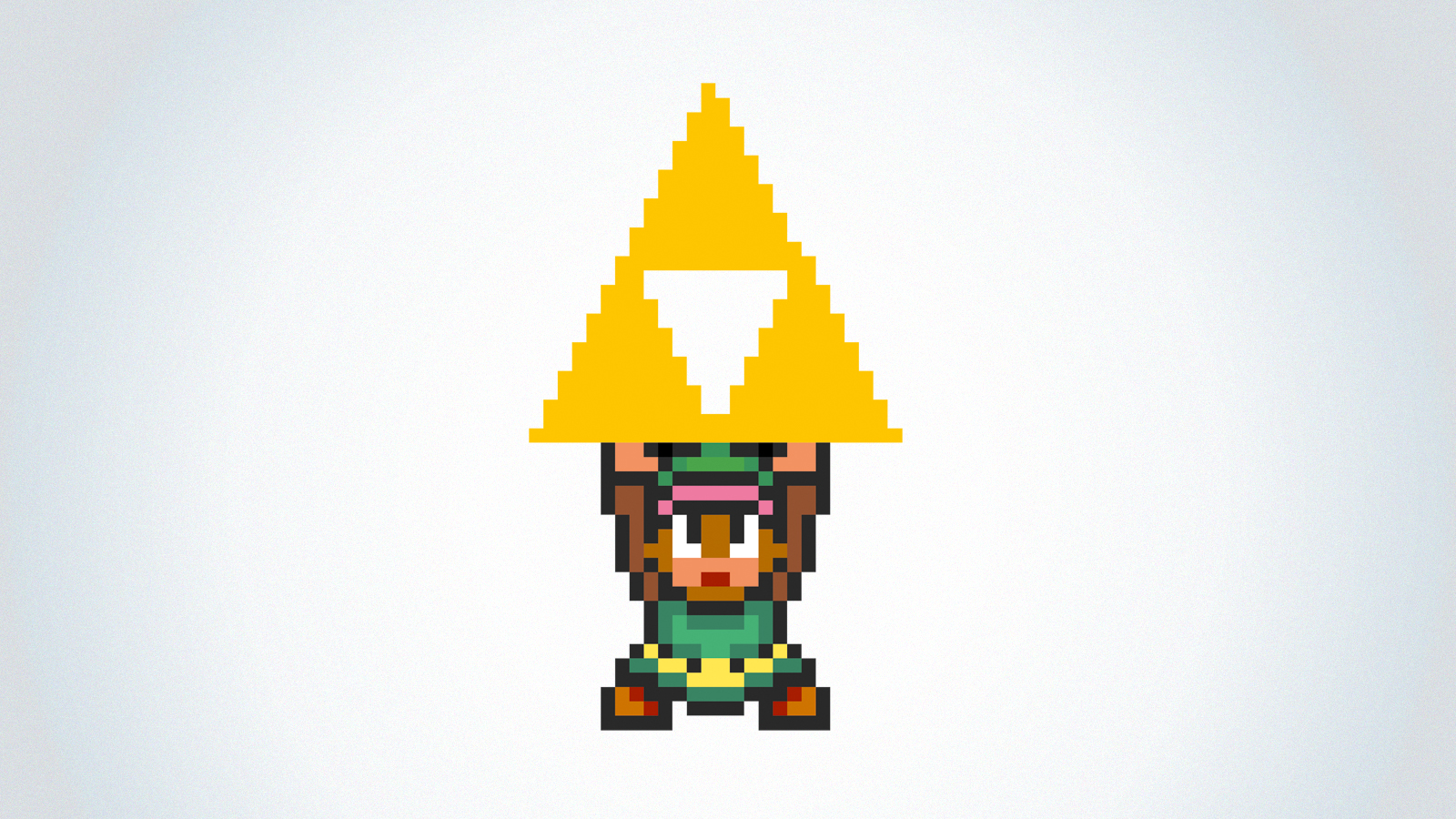
For nearly four decades, The Legend of Zelda has captivated players with its perfect blend of exploration, puzzle-solving, and adventure. What began in 1986 as a groundbreaking NES title has evolved into one of gaming's most beloved and influential franchises, consistently redefining what adventure games can achieve.
The Magic of Hyrule
At its heart, every Zelda game tells a story of courage, wisdom, and power. Players take on the role of Link, a hero destined to save Princess Zelda and the kingdom of Hyrule from various incarnations of evil—most notably the demon king Ganon. But what makes the series special isn't just this recurring narrative framework; it's how each game reinvents the formula while maintaining the essence that fans love.
The Magic of Hyrule
At its heart, every Zelda game tells a story of courage, wisdom, and power. Players take on the role of Link, a hero destined to save Princess Zelda and the kingdom of Hyrule from various incarnations of evil—most notably the demon king Ganon. But what makes the series special isn't just this recurring narrative framework; it's how each game reinvents the formula while maintaining the essence that fans love.

The series has always been about discovery. Whether you're a child exploring the vast fields of Ocarina of Time for the first time or a seasoned adventurer navigating the open wilderness of Breath of the Wild, that sense of wonder remains constant. Hidden caves, secret passages, and clever puzzles reward curiosity and experimentation.
Innovation Across Generations
The Zelda franchise has never been afraid to take risks. Ocarina of Time pioneered Z-targeting and brought the series into 3D, setting a new standard for action-adventure games. Majora's Mask introduced a haunting three-day cycle that added urgency and emotional depth. The Wind Waker embraced a cel-shaded art style that was controversial at launch but is now celebrated as timeless.
The Zelda franchise has never been afraid to take risks. Ocarina of Time pioneered Z-targeting and brought the series into 3D, setting a new standard for action-adventure games. Majora's Mask introduced a haunting three-day cycle that added urgency and emotional depth. The Wind Waker embraced a cel-shaded art style that was controversial at launch but is now celebrated as timeless.
Then came Breath of the Wild in 2017, which completely reimagined the open-world formula. By giving players unprecedented freedom to tackle challenges in any order and approach problems with creative solutions, it influenced an entire generation of game design. Its sequel, Tears of the Kingdom, expanded on these innovations with new building mechanics and even more complex puzzles.